What do you need help with?
- No heat or weak airflow
- Unusual sounds or cycling
- Unexpected energy use
- An aging or unreliable furnace
Tell us what changed. We’ll confirm the next step.
Service details & booking adviceRepairs, visit scope and what to prepare
Local service, properly confirmed
A furnace replacement starts with your home and existing system
Tell us what you want to change: unreliable heating, a recurring repair, uneven rooms or an installation planned alongside a renovation. A replacement assessment should address that goal and the connected heating system, rather than simply choose a new appliance from the old label.
Include the full service address and whether the property is in the City or Township of Langley. Mention a suite, addition, gate, tenant contact or restricted equipment access where relevant. Those details help the office prepare the assessment and confirm an appropriate appointment.
Common reasons to call
- No heat or weak airflow
- Unusual sounds or cycling
- Unexpected energy use
- An aging or unreliable furnace
Information to have ready for an installation estimate
- Existing furnace model and recent repair history
- Areas heated by the system and any comfort concerns
- Equipment location, access and connected cooling equipment
- Renovation plans, decision-maker and property permissions
Choosing a replacement furnace for the connected system
Capacity, the home's heating requirements and the existing supply and return ducts need to be considered together. A cold room may involve airflow or the building itself, so describe the rooms affected and any recent changes. Installing a larger furnace does not by itself explain or resolve that complaint.
Share any central air conditioner or heat pump already connected to the system, or being considered for the future. Ask how the proposed furnace, indoor components and controls will work together. The assessment should distinguish work needed now from optional changes you may be planning later.
Compare the complete installation scope
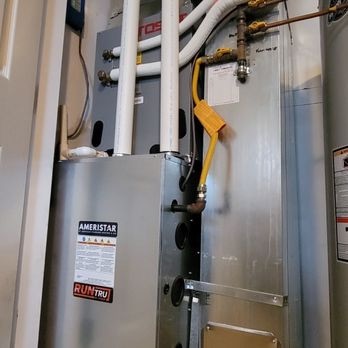
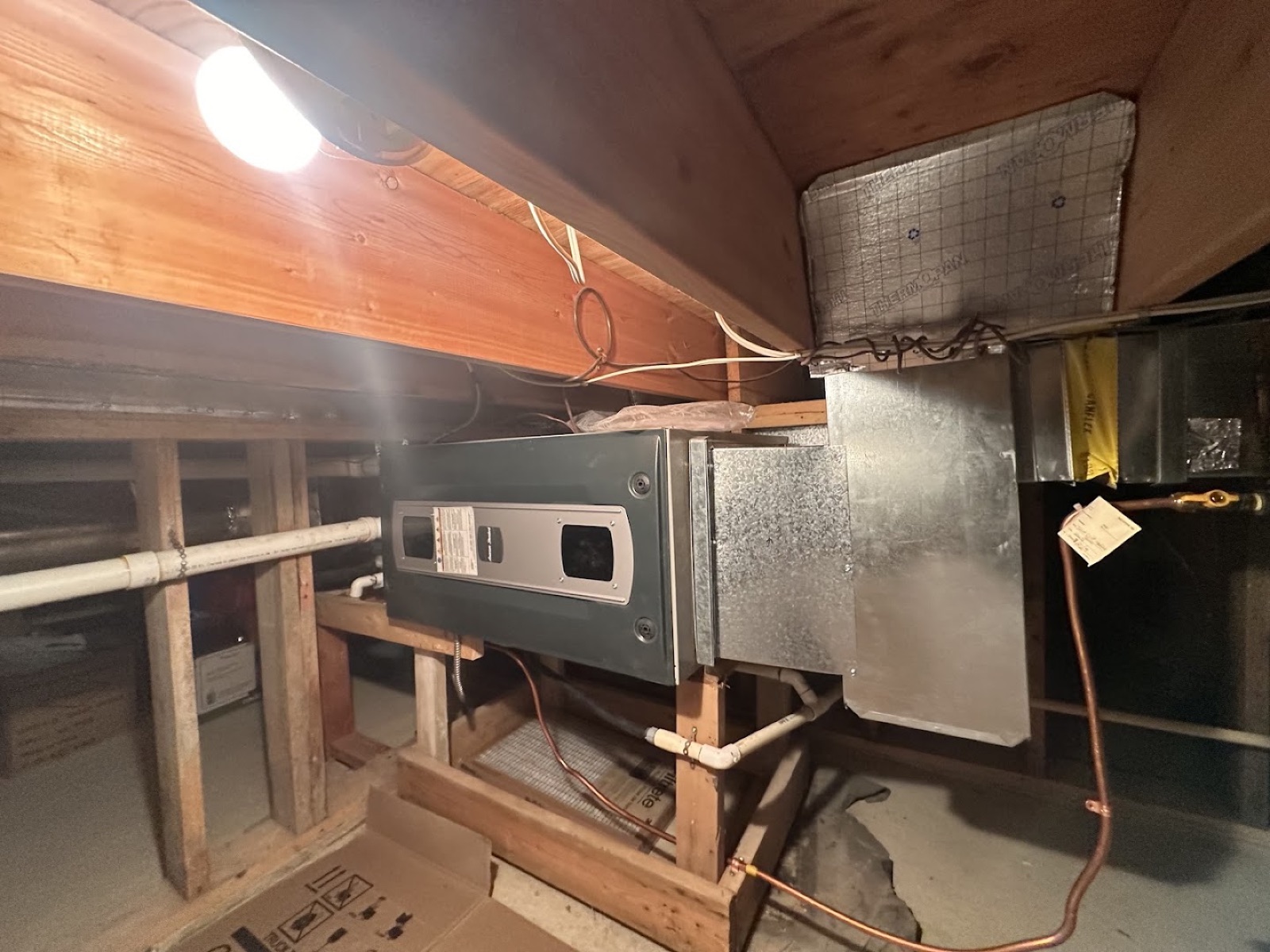
An estimate should identify the exact furnace model and the installation work behind the equipment price. Ask about duct connections, filter access, venting, condensate drainage, electrical connections and the thermostat or other controls. Existing connections should be assessed for suitability rather than assumed reusable.
Also ask what is included for old-equipment removal, start-up and commissioning, warranty terms and any finishing or access-related work. If a quote excludes a task, clarify who will arrange it before agreeing to the project. Our new-furnace guide provides questions to use when comparing proposals.
Furnace repair when heat stops or becomes unreliable
A repair request should explain what the furnace actually does. Note whether the thermostat calls for heat, whether the blower runs, whether warm air reaches the rooms and whether a visible fault code appears. Include when the problem began and whether it is constant or intermittent.
Call the office for an urgent no-heat concern so availability can be discussed. Avoid repeated resets or opening the burner compartment to investigate. Our troubleshooting guide explains safe observations and emergency warning signs; suspected gas leaks and carbon-monoxide alarms require emergency action rather than waiting for a callback.
Repair, replacement and approval of further work
Diagnosis makes a repair-versus-replacement comparison useful. Consider the identified fault, remaining appliance condition, previous repairs and suitable parts availability. Equipment age alone does not establish which option is practical, and a room-comfort problem may need work beyond the furnace.
Ask the office about the diagnostic appointment terms, then confirm how further labour and parts will be priced and approved. A replacement proposal should identify its own complete scope. Keep the service findings and estimate so you can compare the available options without relying on a guessed component or equipment-only price.
Furnace maintenance and separate duct-cleaning requests
For an operating furnace, maintenance can review accessible cleanliness, the filter, airflow, ignition, operating controls and venting as appropriate to the model. Share service records and any recent shutdown or comfort complaint, even if the system works on the day of the visit. Ask for the completed findings.
Air-duct cleaning concerns the accessible supply and return ductwork. It does not replace furnace maintenance or repair a failed appliance component. If you want both services, identify both requests so the office can discuss their separate scopes and scheduling.