What do you need help with?
- No heat or weak airflow
- Unusual sounds or cycling
- Unexpected energy use
- An aging or unreliable furnace
Tell us what changed. We’ll confirm the next step.
Service details & booking adviceRepairs, visit scope and what to prepare
Local service, properly confirmed
A furnace estimate should explain the whole installation
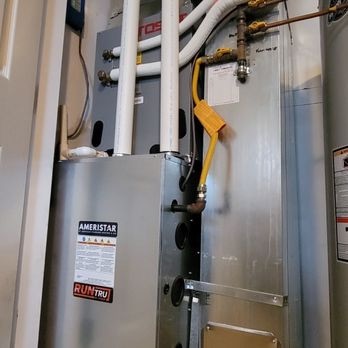
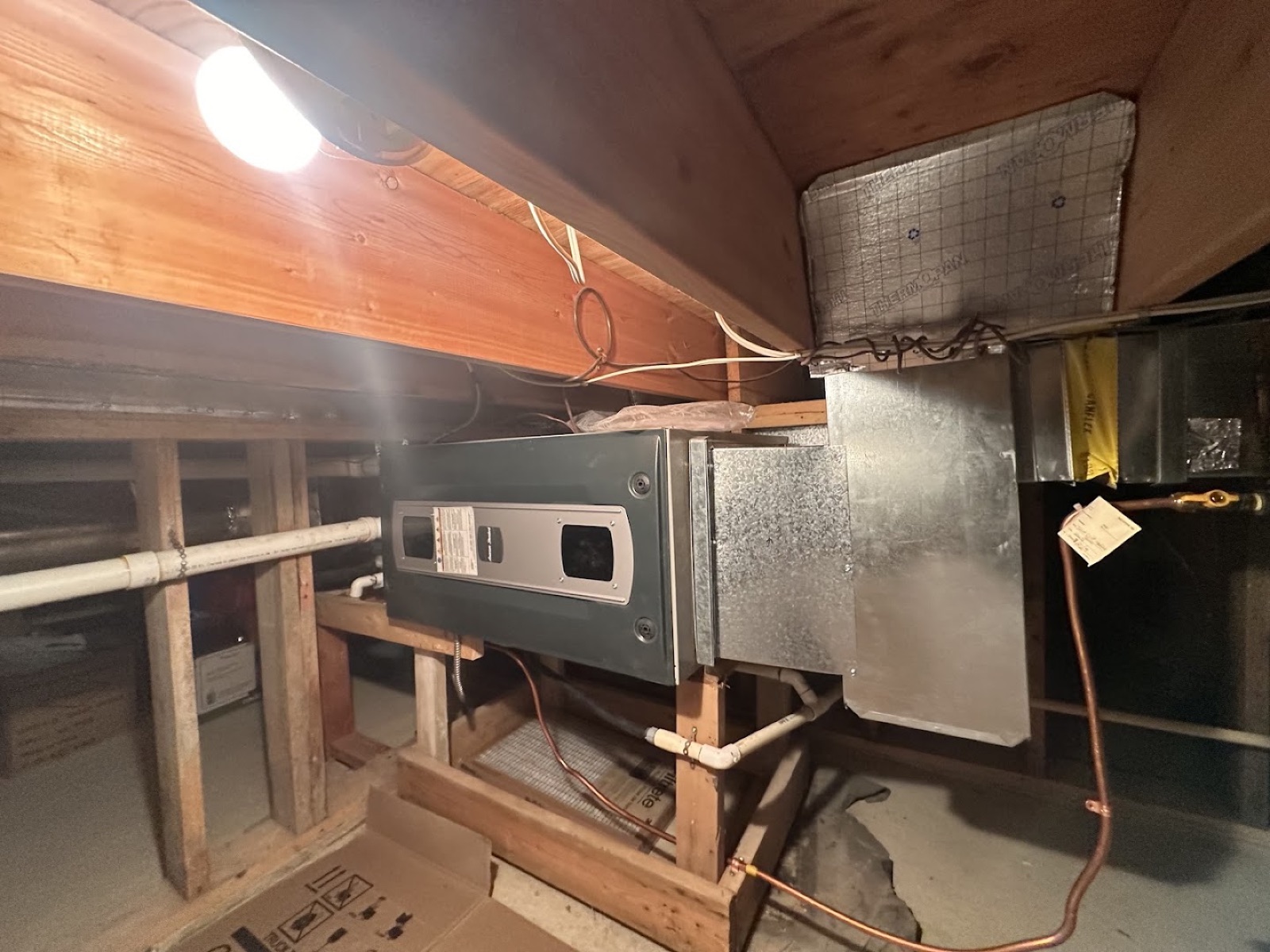
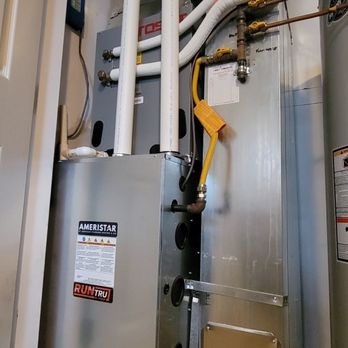
An equipment price alone does not describe a furnace installation. The home, existing ductwork, venting route, drainage and controls all influence the work. Include photographs of the equipment and surrounding space when requesting an estimate, without removing covers or entering unsafe areas.
For a Port Coquitlam house, mention side-yard, suite or crawlspace access where relevant. For a townhouse or strata property, identify the responsible contact and any approval, parking or common-property requirements. These are details to confirm for your property, rather than assumptions about every local home.
Common reasons to call
- No heat or weak airflow
- Unusual sounds or cycling
- Unexpected energy use
- An aging or unreliable furnace
Details worth comparing before approving installation
- Home heating requirements and the proposed furnace model
- Supply ducts, return air and filter access
- Venting, condensate drainage, electrical work and controls
- Commissioning, warranty and removal of the old furnace
Replacing an older furnace without guessing the size
The capacity on an old furnace label does not establish the right capacity for its replacement. Ask how the home's heating requirements and the connected duct system have been assessed. A proposed model should fit the installation conditions and the heating task, rather than simply match the old cabinet.
If you are also considering central air conditioning or a heat pump, discuss it before approving the furnace. Indoor equipment, airflow and controls need to work together. Ask which changes are included now and which would be separate future work.
What can change the installation scope?
A different venting arrangement, condensate drain, thermostat, duct transition or electrical connection can change the project. Access can also affect equipment removal and installation. Ask the estimator to identify required changes and exclusions in writing so quotes cover comparable work.
Review filter access, service clearances, commissioning and warranty terms before the work is agreed. For strata properties, establish responsibility for exterior penetrations or common property early. Equipment selection comes after those constraints have been reviewed.
Furnace repair for no heat or repeated shutdowns
If replacement is not your immediate goal, describe the fault without assuming the furnace has reached the end of its life. Note whether it starts, whether the fan runs, when warm air stops and any visible code. A diagnosed component fault, recurring repair history and overall condition support a more useful repair-versus-replacement discussion.
Call for urgent heating concerns so the office can discuss availability. Our troubleshooting guide explains safe observations and the warning signs that require emergency action. Do not bypass safety controls or keep restarting a furnace that behaves unsafely.
Keep furnace maintenance separate from duct cleaning
For a working furnace, planned maintenance reviews the appliance's condition and operation with checks appropriate to its model. Describe any previous shutdown, unusual sound or comfort concern when booking, even if the furnace is heating at the time.
Cleaning the air ducts does not replace furnace maintenance, and servicing the furnace does not clean the full duct system. If both are needed, request the separate scopes. A fireplace at the property also needs its own maintenance request.